
Painswick: The Cotswolds’ Flawless “Queen” (And What It’s Really Like to Live There)
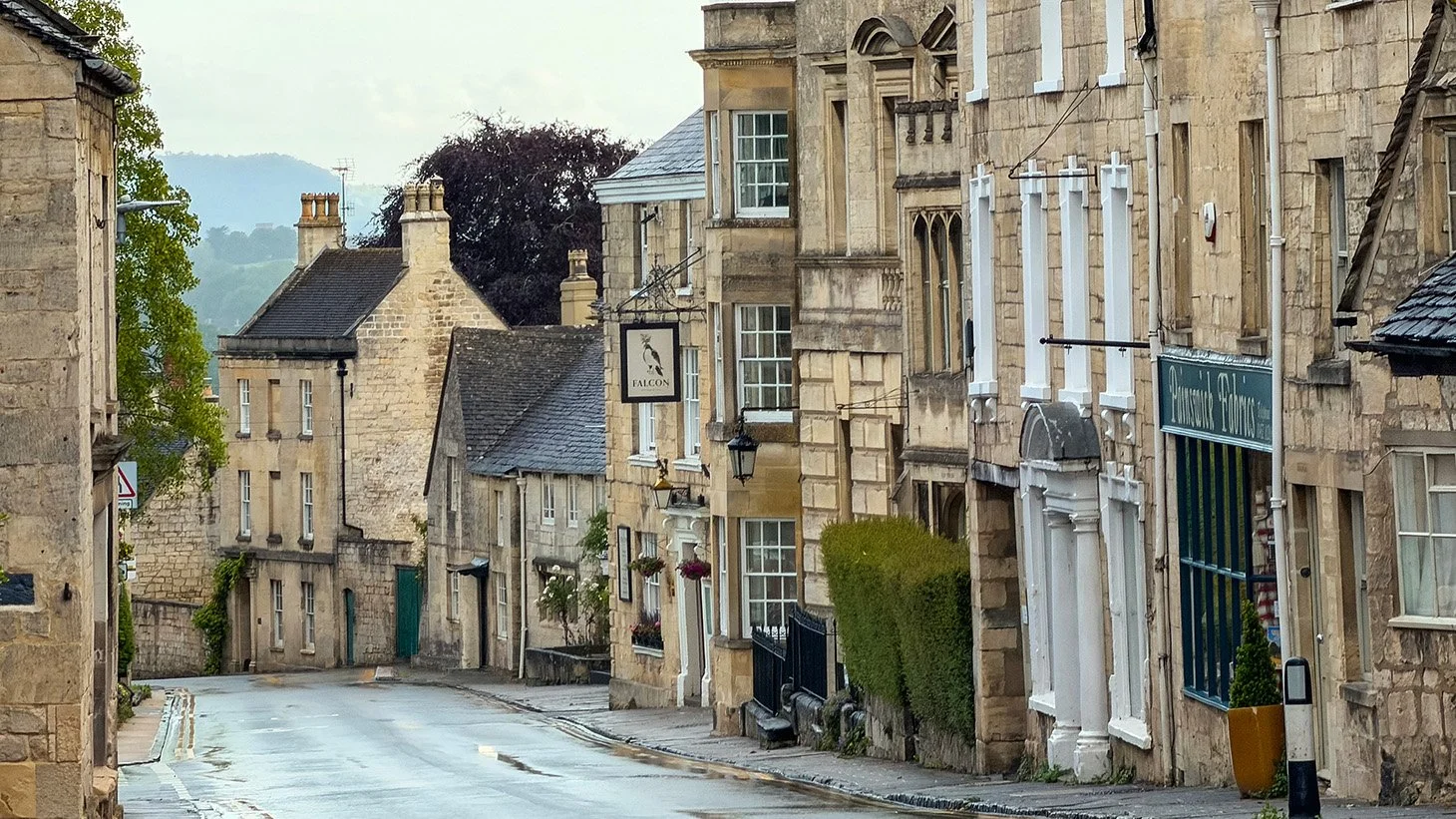
Nestled quietly in a valley just a few miles north of Stroud lies Painswick. Affectionately known as the “Queen of the Cotswolds,” this historic wool town is widely considered one of the finest, most architecturally intact settlements in England. Built almost entirely from pale, honey-coloured Cotswold stone quarried from the nearby beacon, walking down its steep, winding streets feels like stepping straight into a period drama.
But behind the picture-postcard perfection, what is Painswick actually like? Whether you’re planning a weekend visit or eyeing up a permanent move to the country, here is a balanced look at the rich history, stunning landscape, and real-world practicalities of life in Painswick.
A Walk Through History and Honey-Stone Architecture
Painswick’s wealth peaked during the 17th and 18th centuries, fueled by a booming wool and cloth industry driven by the local streams. That prosperity is etched into every single building. Unlike other towns that saw heavy mid-century redevelopment, Painswick remains beautifully preserved.
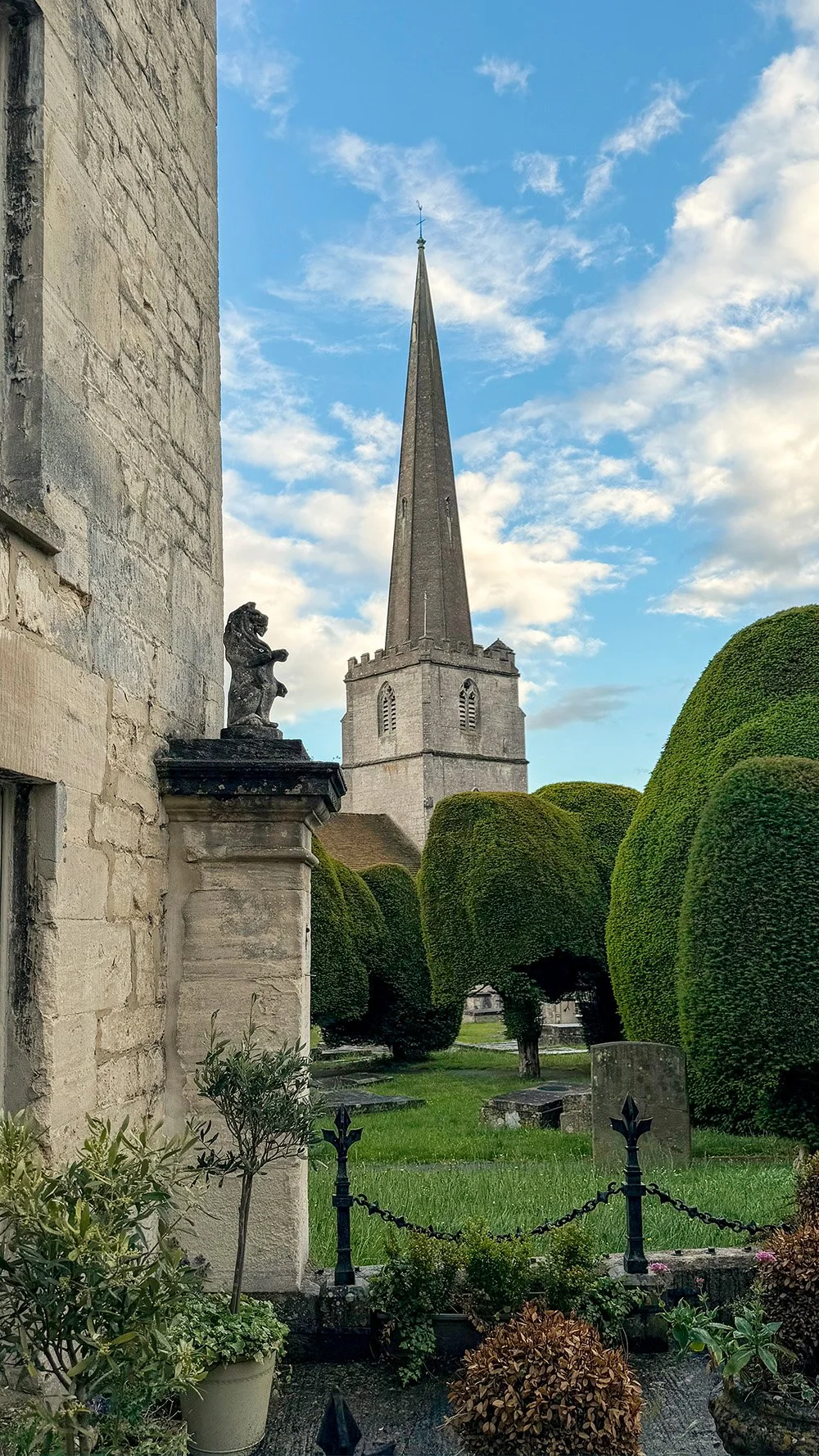
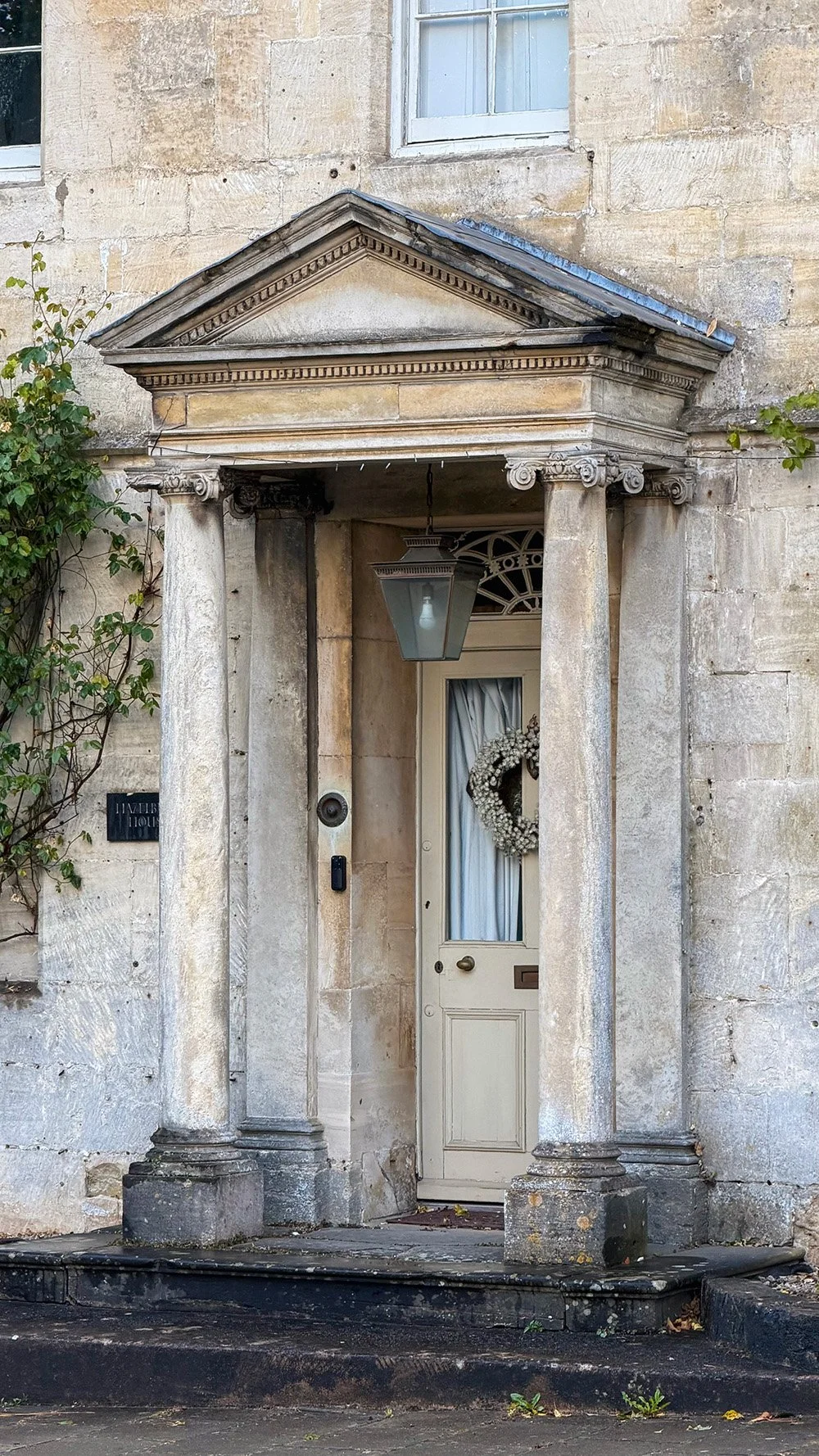
At the heart of the town sits St Mary’s Church, a magnificent Grade I-listed building with a churchyard famed across the UK. It is home to a collection of historic tabletop tombs and exactly 99 spectacularly sculpted yew trees. Turning away from the churchyard, you’ll find narrow lanes lined with fine buildings, including the quintessential 15th-century timber-framed old Painswick Post Office, grand Palladian-style merchant houses, and charming, tightly packed weavers’ cottages.
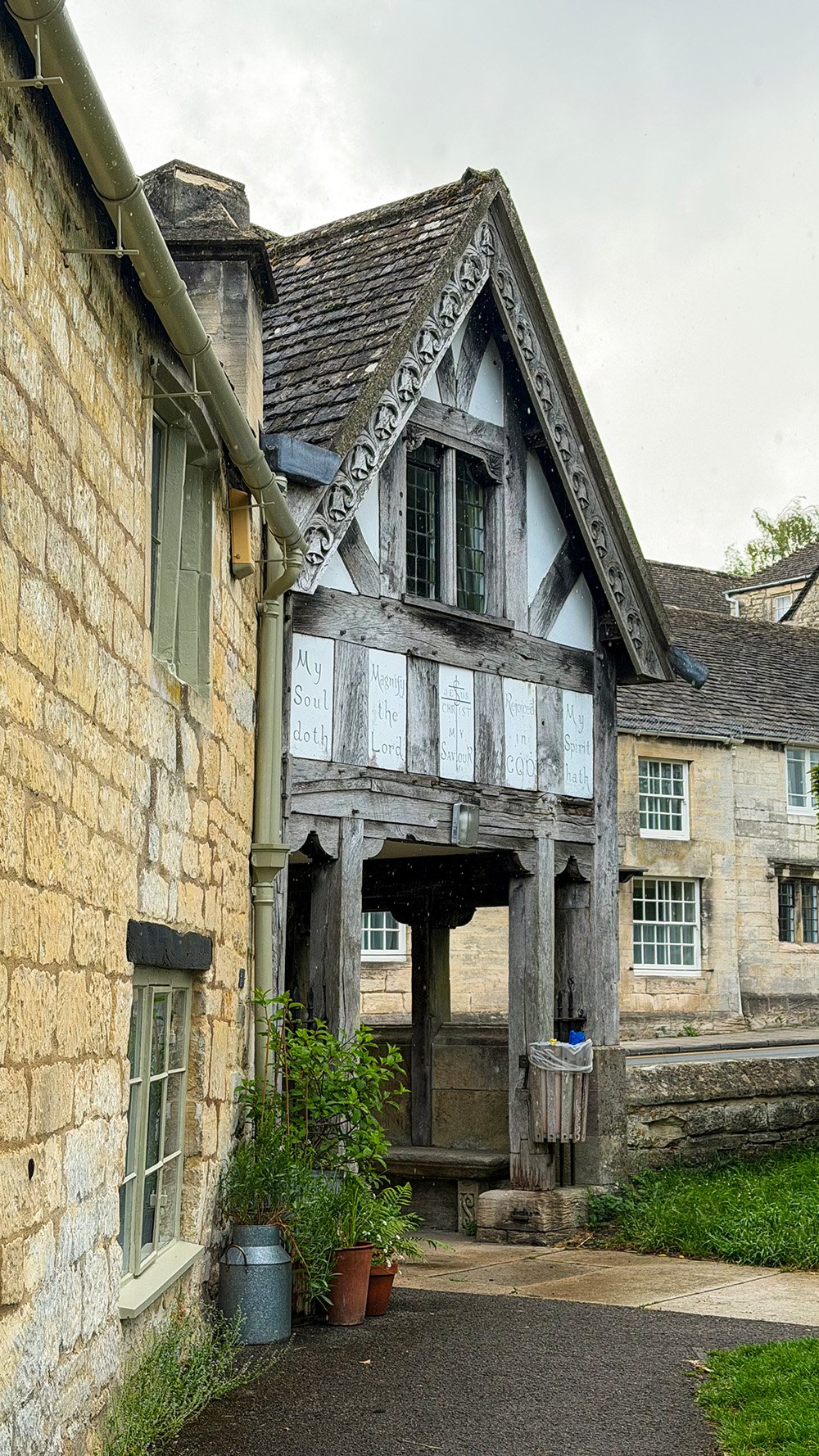
Nature’s Dramatic Backdrops
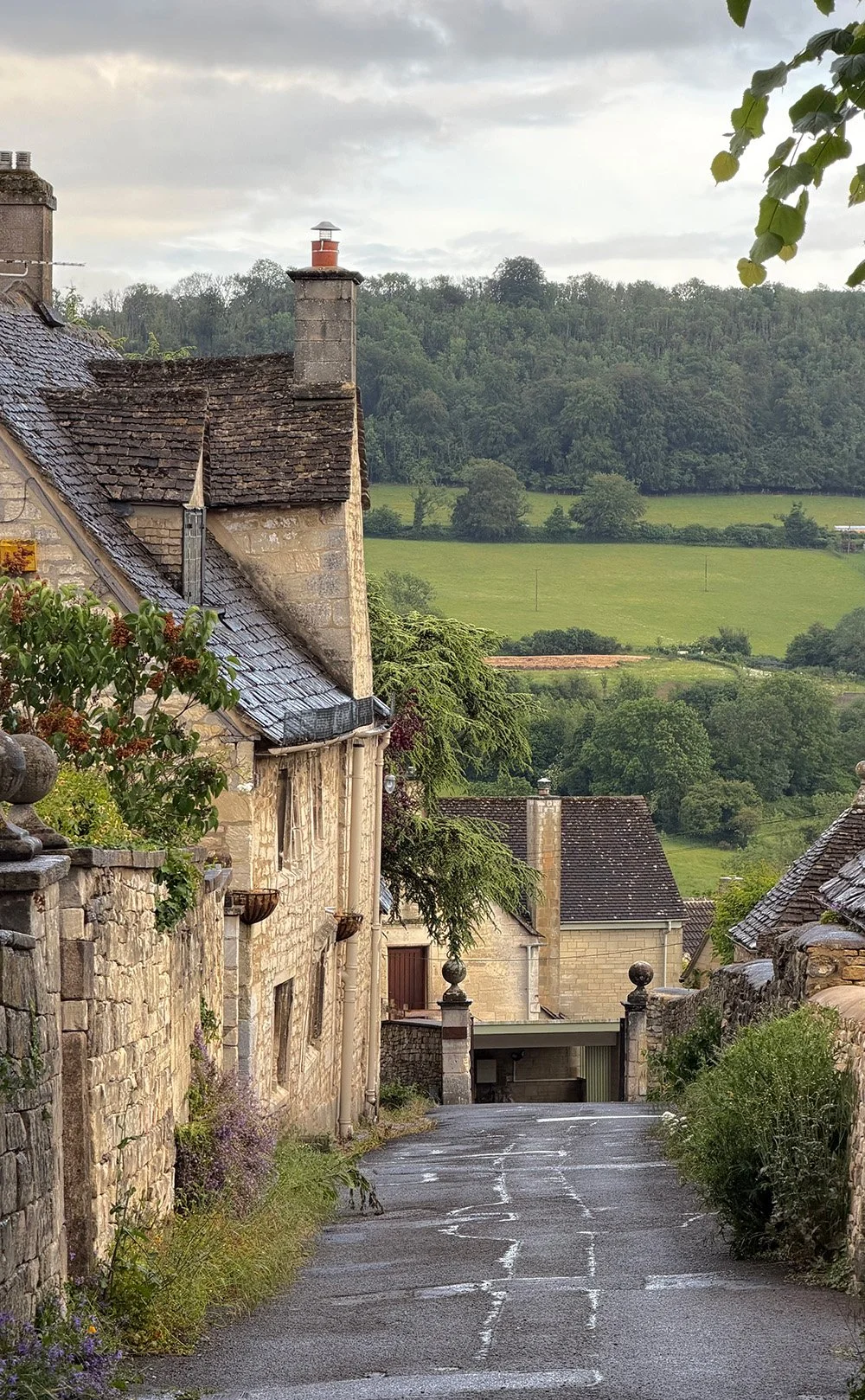
Painswick doesn’t just sit in the landscape; it is entirely framed by it. The town is situated directly on the Cotswold Way, making it a major hub for hikers exploring the rolling hills and deep valleys of Gloucestershire.

Painswick Beacon
Just a short, uphill walk from the town centre lies Painswick Beacon. Sitting on the remains of an Iron Age hill fort, the summit offers some of the most dramatic, uninterrupted views in the region. On a clear day, you can see right across the Severn Vale, looking out towards the Forest of Dean and the distant mountains of Wales. It’s also home to the Painswick Golf Club, where players famously navigate their way around the historic ramparts.
The Rococo Garden
Hidden in a hidden valley just outside the town is the Painswick Rococo Garden. Designed in the 1740s as a flamboyant, theatrical pleasure ground for the wealthy Benjamin Hyett, it is the only complete surviving garden of its era in the UK.
Instead of rigid, formal lawns, the Rococo Garden is beautifully eccentric, dotted with whimsical hidden follies, a maze, and a stunning kitchen garden. It is an absolute must-visit in the late winter when millions of snowdrops blanket the woodland floor, or in the summer when the outdoor theatre season begins.
Why Property Buyers Like Painswick
It is no secret that Painswick is a major hotspot for property buyers, particularly those looking to escape London or transition to a hybrid-working lifestyle. Aside from its obvious aesthetic charm, its geography is its greatest asset.
The Cheltenham Connection: Painswick sits roughly 10 miles south of Cheltenham. For families, this offers painless access to some of the finest schooling in the country, including Cheltenham Ladies’ College and Cheltenham College. For professionals, it means high-end shopping, famous literary and horse racing festivals, and fine dining are just a 20-minute drive away.
The Commute: Nearby Stroud railway station provides a direct line straight to London Paddington in under 90 minutes, allowing residents to maintain ties to the capital while enjoying rural tranquillity.
The Community Factor: Unlike some Cotswold villages that become ghost towns in the winter due to holiday rentals, Painswick retains a strong, active year-round community with local pubs, boutique hotels like The Painswick, and thriving community hubs.
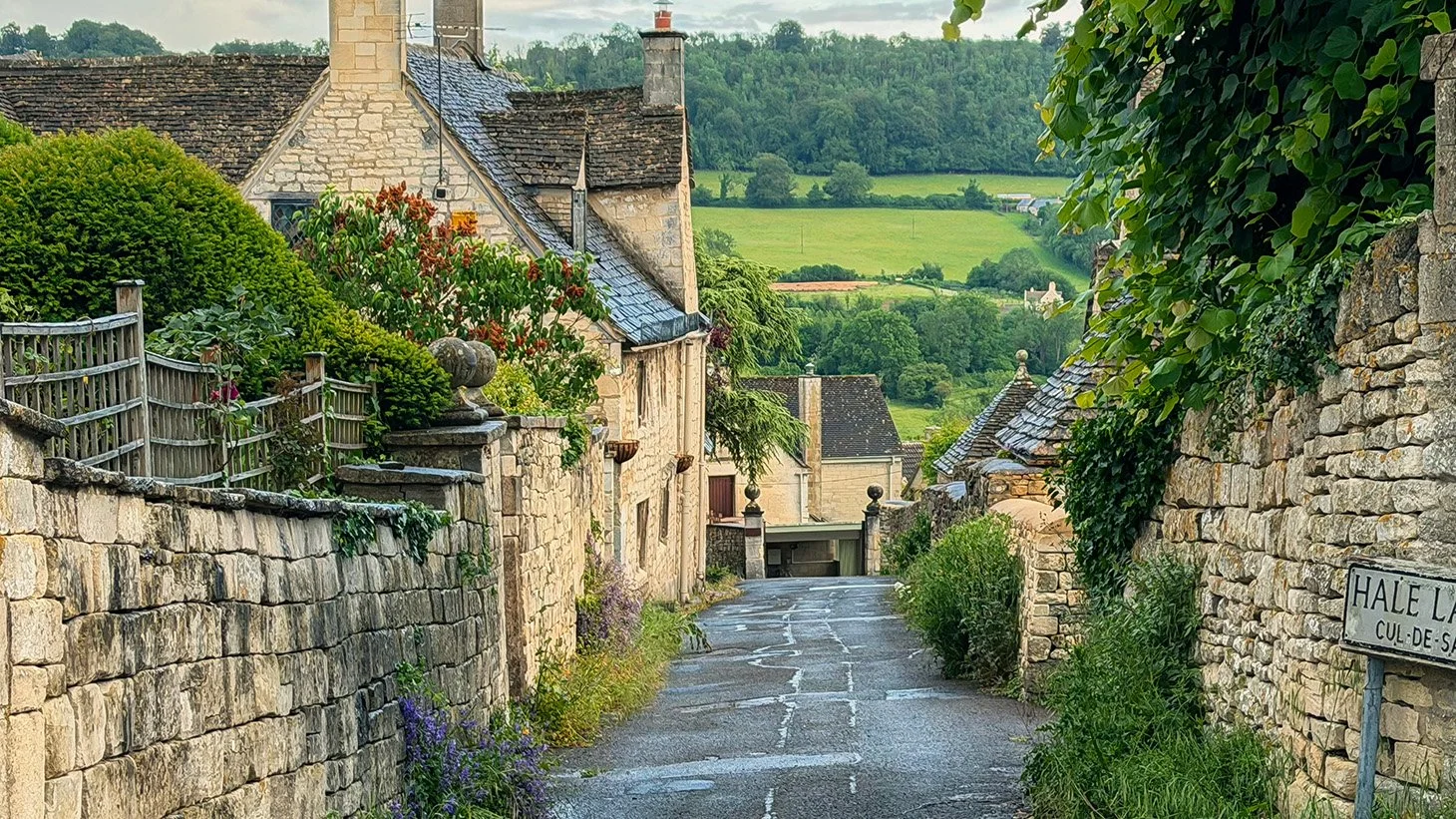
The Reality Check: The Challenges of Living Here
While it’s easy to fall in love with Painswick on a sunny afternoon, living in a town designed centuries before the invention of the automobile does come with daily logistical compromises. If you’re looking to buy property here, it’s vital to look past the honey stone.
1. The Parking Puzzle
Very few of the historic homes in the core of Painswick come with designated off-street parking or garages. Residents rely heavily on a small public car park or on tightly contested on-street spaces. Returning home on a busy summer weekend or during school run hours can mean doing loops of the town just to find a spot anywhere near your front door.
2. The Bottleneck Roads
The roads running through and around Painswick are notoriously narrow. Streets frequently turn into single-file bottlenecks where drivers must master the art of reversing down blind corners to let delivery vans or local buses through. Winter driving can also be a challenge; Painswick sits high up, and its steep, winding lanes can become treacherous during a freeze.
3. Lack of Everyday Conveniences
Painswick has fantastic boutique shops, independent cafes, and lovely pubs, but it doesn’t have a major supermarket. For your weekly grocery shop or standard high-street amenities, you will be dependent on a car journey down into Stroud or up into Gloucester and Cheltenham.
The Verdict
Painswick represents the very best of the Cotswold ideal: rich history, brilliant architecture, and views that take your breath away. If you can handle the tight squeeze of country roads and don’t mind a short walk from your car to your front door, it is easily one of the most rewarding, peaceful, and visually stunning places to call home in England.