
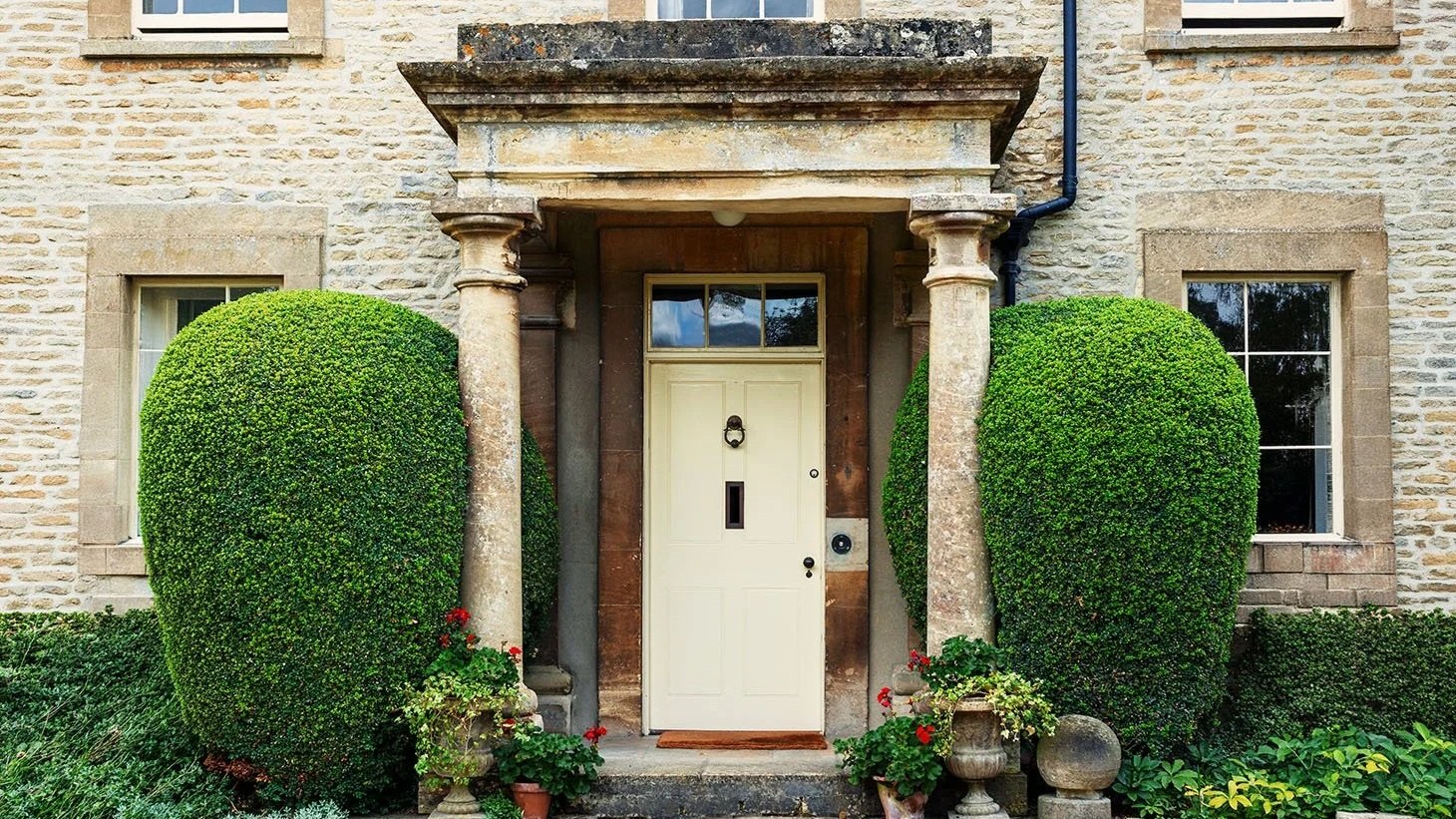
Downsizing is one of those decisions that many homeowners know they will probably make at some point, but knowing exactly when to do it is another matter.
For some, the decision comes when children leave home, and the family house starts to feel too big. For others, it is about releasing equity, reducing running costs or moving somewhere that offers a different lifestyle. In my experience, one of the biggest challenges is not deciding whether to downsize; it is getting the timing right.
Move too early, and you may find yourself compromising on space, lifestyle or the things you love about your current home. Leave it too late, however, and what should be an exciting next chapter can become a necessity, often brought about by a change in health or personal circumstances.
So, how do you know when the time is right?
Are you still making good use of your home?
One of the clearest signs that you may be downsizing prematurely is that you are still making good use of the space you have. Just because your children have moved out does not necessarily mean you no longer need the bedrooms, particularly if they regularly return to visit or you have grandchildren staying.
Equally, having a home office, separate living spaces or a garden you enjoy can make a real difference to your quality of life.
It is easy to look at a large house and think that a smaller property would be more practical, but it is important to consider how you actually use your home on a day-to-day basis. If moving means losing space that contributes significantly to your lifestyle, you may find that downsizing is not quite the improvement you imagined. Ultimately, downsizing should make life easier, not mean sacrificing the things you value about your home.



Have you properly considered where you are moving to?
Another sign that you may be moving too soon is that you have not fully considered what you want from your next property.
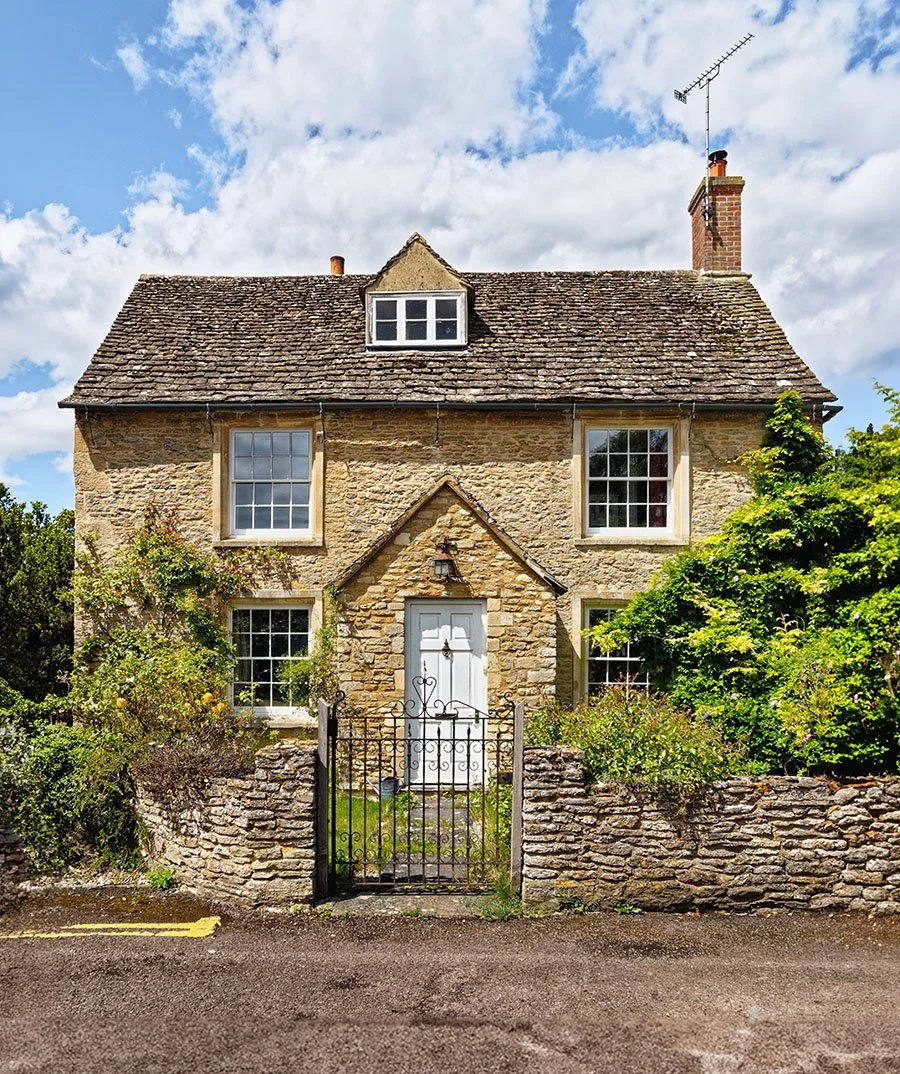
In desirable areas such as the Cotswolds, smaller homes in sought-after villages can command a premium, particularly if they are beautifully finished and within walking distance of shops, restaurants and other amenities. There is often an assumption that selling a larger family home and buying something smaller will automatically release a substantial amount of equity. However, that is not always the case. Stamp duty, estate agency fees, legal costs, removals and any work required on the new property can all reduce the amount of money left over.
It is also worth considering whether the property you are moving to will genuinely meet your needs, not just today but in the years ahead. For example, a charming period cottage might seem like the perfect downsizing opportunity, but if it comes with steep stairs, a large garden or significant maintenance requirements, you could find yourself facing many of the same challenges you are trying to leave behind.
Before making the decision to sell, it is worth spending time understanding exactly what is available, what it will cost and whether the move will deliver the lifestyle and financial benefits you are hoping for.
Are you downsizing because you want to, or because you feel you should?
There is often an assumption that downsizing is the natural next step once children leave home or retirement approaches, but there is no set age or stage of life when it automatically becomes the right decision.
If you still love your home and enjoy the space, you do not have to move simply because you feel it is what you are supposed to do. However, there is an important distinction between moving before you are ready and putting off a decision that may make your life considerably easier in the future. This is where, in my experience, many homeowners get the timing wrong.
The biggest mistake can be leaving it too late.
While there are certainly risks in downsizing prematurely, I would argue that far more people leave it too late. I see this regularly in my work, where the decision to move has been prompted by a change in health.
Unfortunately, when a move becomes necessary because someone is unwell or struggling with mobility, what should be a positive experience can become considerably more overwhelming, both physically and emotionally.
Moving home is demanding at the best of times. There are decisions to make, possessions to sort through, properties to view and the practicalities of buying and selling to manage. Doing all of that when you are fit, healthy and able to enjoy the process is very different from having to make those decisions because you can no longer comfortably manage your existing home.
We are living longer, and many people are remaining active well into later life. That is a wonderful thing, but it can also mean we put off decisions about our homes because we do not feel the need to make them yet. The difficulty is that circumstances can change unexpectedly.
Rather than waiting until the stairs become impossible or maintaining the property becomes too much, I think it is important to consider what kind of home will suit you in the years ahead, while you are still in a position to make that decision on your own terms.
Downsizing does not always mean moving somewhere small.
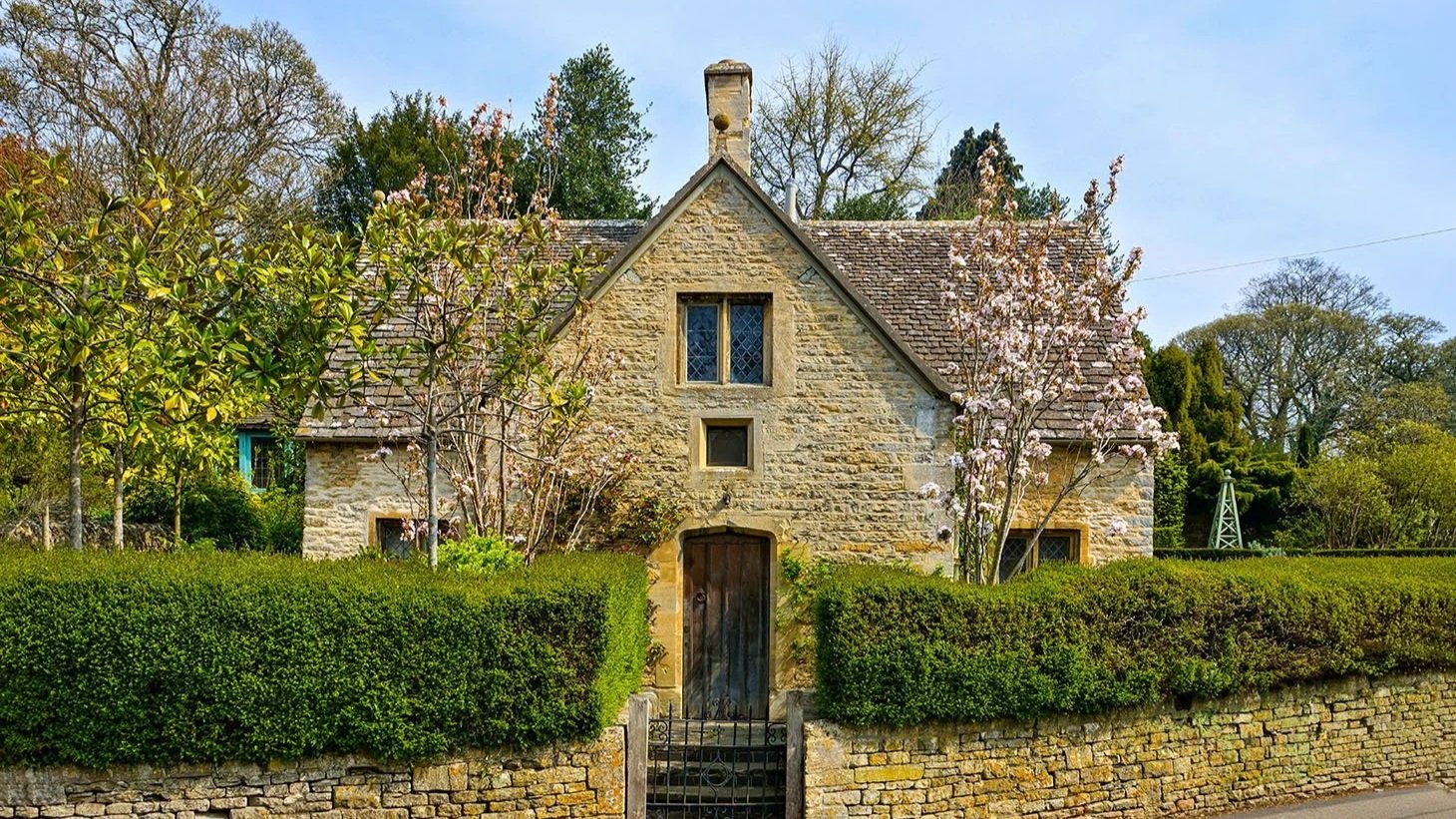
One of the misconceptions about downsizing is that it necessarily means moving into a significantly smaller property. In reality, particularly in the countryside, it can be much more about reducing the demands of looking after a home than dramatically reducing the amount of space you have.
For example, someone might move from a large, older country house that has been in the family for generations to a more modern, manageable property in a village. The new home might still have four or five bedrooms, generous living spaces and a garden, but it could be considerably more economical to run and easier to maintain. It might have fewer stairs, better energy efficiency or be within walking distance of shops, restaurants and amenities, reducing the need to drive everywhere. In many cases, it is less about the number of bedrooms and more about how the property works for the next stage of life.
I think this is an important distinction because downsizing should not necessarily be viewed as giving something up. It can be an opportunity to gain a different lifestyle, greater convenience and more freedom to enjoy the things that matter.
So, when is the right time to downsize?
In my view, the right time is when you can make the decision on your own terms, rather than having it forced upon you by circumstances. That does not mean rushing to sell as soon as the children leave home or moving simply because you have reached retirement age.
It means taking an honest look at how you use your current property, what you want from the next stage of your life and whether your home will continue to meet those needs. It also means thinking ahead. If you can see that maintaining a large property may become increasingly demanding, or that a more accessible location would improve your lifestyle, there is real value in exploring your options before those changes become essential.
For many homeowners, particularly those who have lived in the same property for decades, moving can be an emotional decision. A family home holds memories, and leaving it behind is not always easy, but making the move while you are still physically and emotionally able to manage the process means you can take your time, find the right property and look forward to enjoying it.
The question should not simply be whether your home is too big for you today, but whether it is the right home for the life you want to lead tomorrow, and in my experience, that is a decision worth making sooner rather than later.